Does Teeth Whitening Have Side Effects?

Teeth Whitening

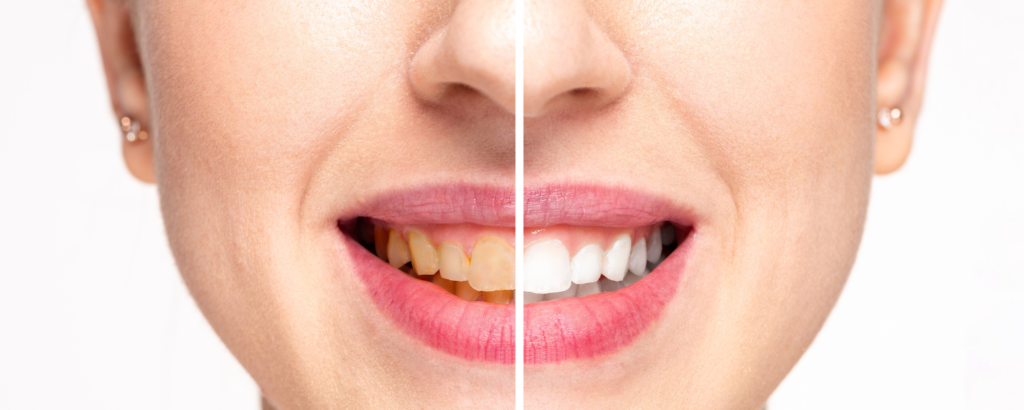
Teeth whitening is a top cosmetic dental treatment that boosts confidence with a brighter smile. Many wonder: does teeth whitening have side effects? Yes, but most are mild and temporary when done right. This guide covers common issues, causes, and prevention tips.

What is Teeth Whitening?

Teeth whitening lightens teeth by removing stains from food, drinks, smoking, aging, or poor hygiene using peroxide-based agents like hydrogen peroxide or carbamide peroxide. Options include:

  • Professional in-office treatments

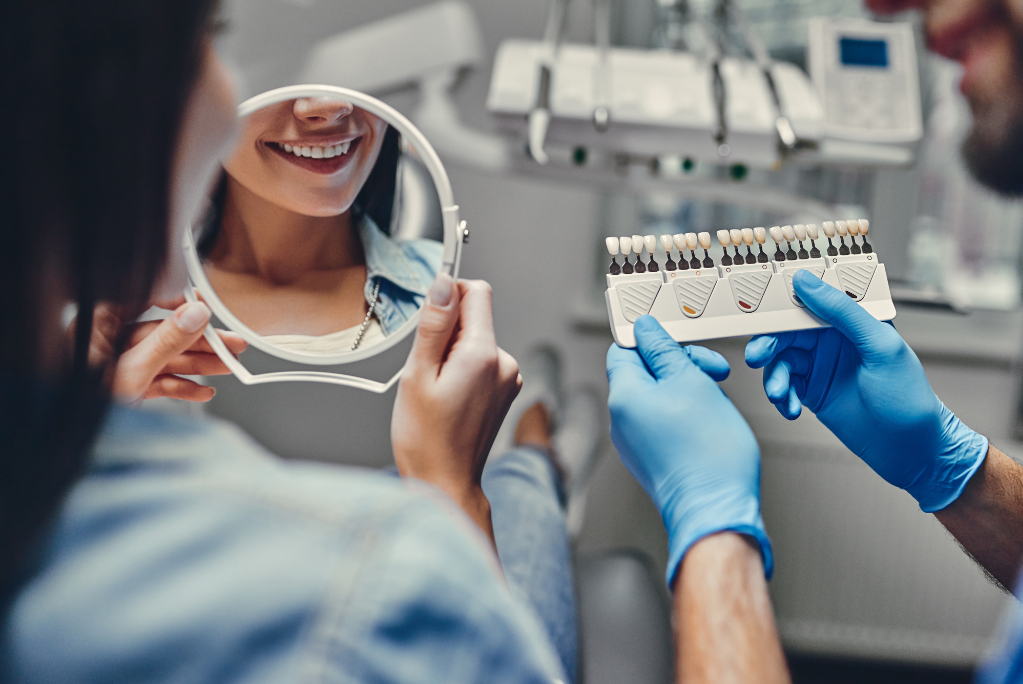
  • Dentist-supervised kits

  • Over-the-counter strips or gels

  • Whitening toothpaste

What is Teeth Whitening?

Side EffectCauseDurationPrevention
Tooth SensitivityWhitening agents reach dentin nerves 1-3 days, rarely a weekDesensitizing toothpaste before/after
Gum IrritationGel contact with gums 1-3 daysProfessional trays, careful application
Uneven ResultsFillings/crowns don’t whiten OngoingDental check before treatment
Stubborn StainsIntrinsic causes like tetracycline/trauma N/AAlternative treatments if needed
Enamel Damage (Rare)Overuse of products Potentially permanentLimit use, dentist supervision
White SpotsTemporary enamel dehydration Few daysProper hydration post-treatment


Are Side Effects Permanent?

No—sensitivity and irritation resolve in days. Permanent issues stem from overuse or skipping dental checks.

Who Should Skip It?

Avoid if you have sensitive teeth, gum disease, cavities, worn enamel, pregnancy, or front-teeth restorations. See a dentist for alternatives.

Teeth whitening side effects like sensitivity are common but temporary. For safe, effective results, choose dentist-supervised teeth whitening. Consult one before starting.


Post Related

Media enquiries

Healthcare at your fingertips